
supporters
supporters
-
![]()
Dame Joanna Lumley
Actor and campaigner
"We must do all we can to protect and care for these children, the most deserving and beloved little members of our society. I am so happy to stand among all the other distinguished signatories.”
-
![]()
The Right Reverend and Right Honourable Lord Williams of Oystermouth PC
Former Archbishop of Canterbury
“Every person living with a disability should be able to expect their condition to be taken with complete seriousness in any assessment of their overall needs. This is obviously especially important for children who don't necessarily have the capacity to argue for their own rights as adults might. The use of temporary accommodation that lacks basic provision to guarantee safe and manageable living for disabled people is humiliating and dangerous for them. For children with ongoing serious needs, it will affect every aspect of their growing and flourishing. We have to do better.” -
![]()
Lady Cherie Blair KC CBE
Human rights lawyer
“I am pleased to support this vital and urgent campaign to end emergency accommodation for disabled children across England. Temporary accommodation is supposed to be a safety net, but right now it is failing those who need it most. Disabled children are being put in situations that actively worsen their physical and mental health. That is simply unacceptable. Every child deserves a home that works for them, not against them.” -
![]()
Lord Neil Kinnock
Former Leader of the Labour Party
“The reality that too many children with disabilities are living in temporary accommodation is dreadful. Every child deserves the security, stability and dignity of a safe home, but for disabled children the consequences of unsuitable housing can be even more severe. Families are being forced to cope in accommodation that does not meet their children’s needs, placing unnecessary strain on their health, wellbeing and development. These youngsters should be a priority. Providing safe, secure and accessible housing is not simply a policy objective – it is a moral responsibility.” -
![]()
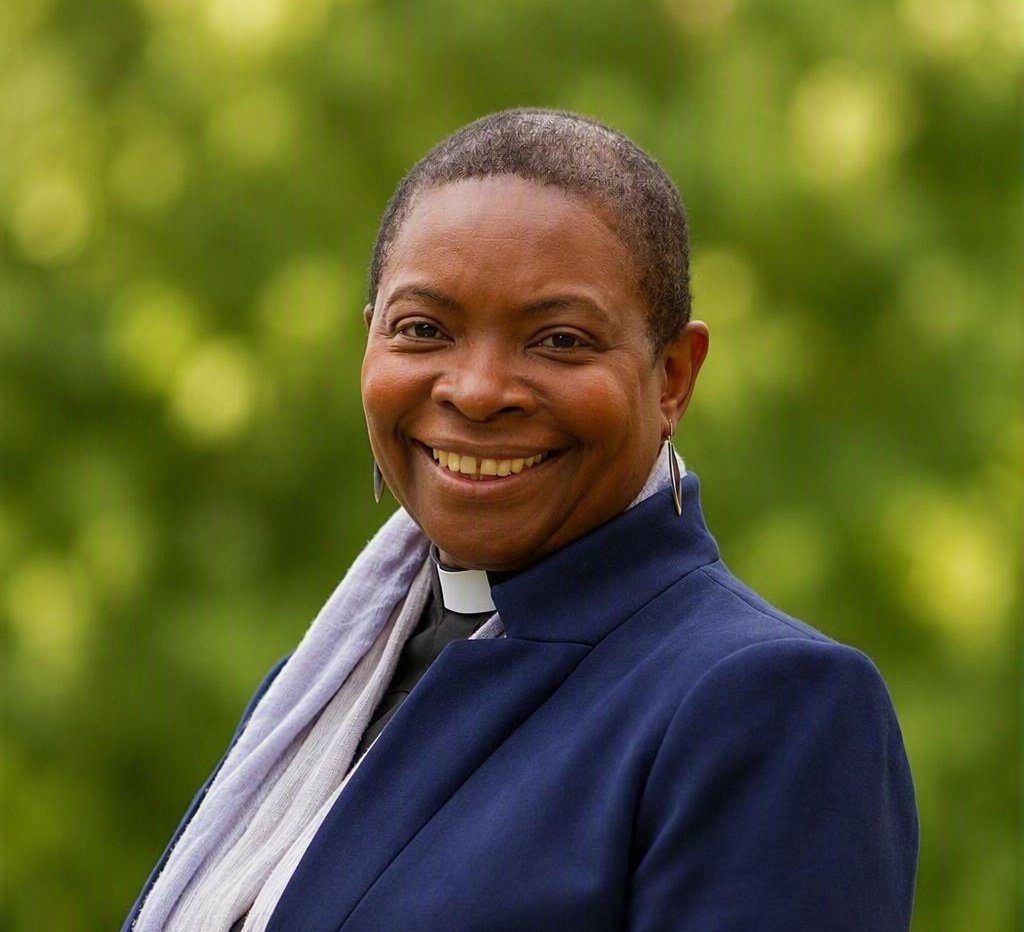
The Right Reverend Rose Hudson-Wilkin
Lord Bishop of Dover
“I fully support the Safe Homes for Disabled Children campaign asking the government to put a stop to placing disabled children in unsuitable temporary accommodation. God’s purpose is for a society where everyone can flourish and live in safety and with dignity; for a society that looks out and cares for one another, especially those who are most vulnerable. It is time to bring this dispassionate practice to an end.”
-
![]()
The Right Reverend Martyn Snow
The Lord Bishop of Leicester
"One of the marks of a good society is the protection and support it offers its most vulnerable, and few are more vulnerable than a disabled child without a safe place to call home. We should all be troubled that the safety and wellbeing of children with disabilities is being harmed by being placed in accommodation that is deeply unsuitable for their needs, and does not offer them the stability that they need to flourish. I am proud to support this campaign and its call for urgent action." -
![]()
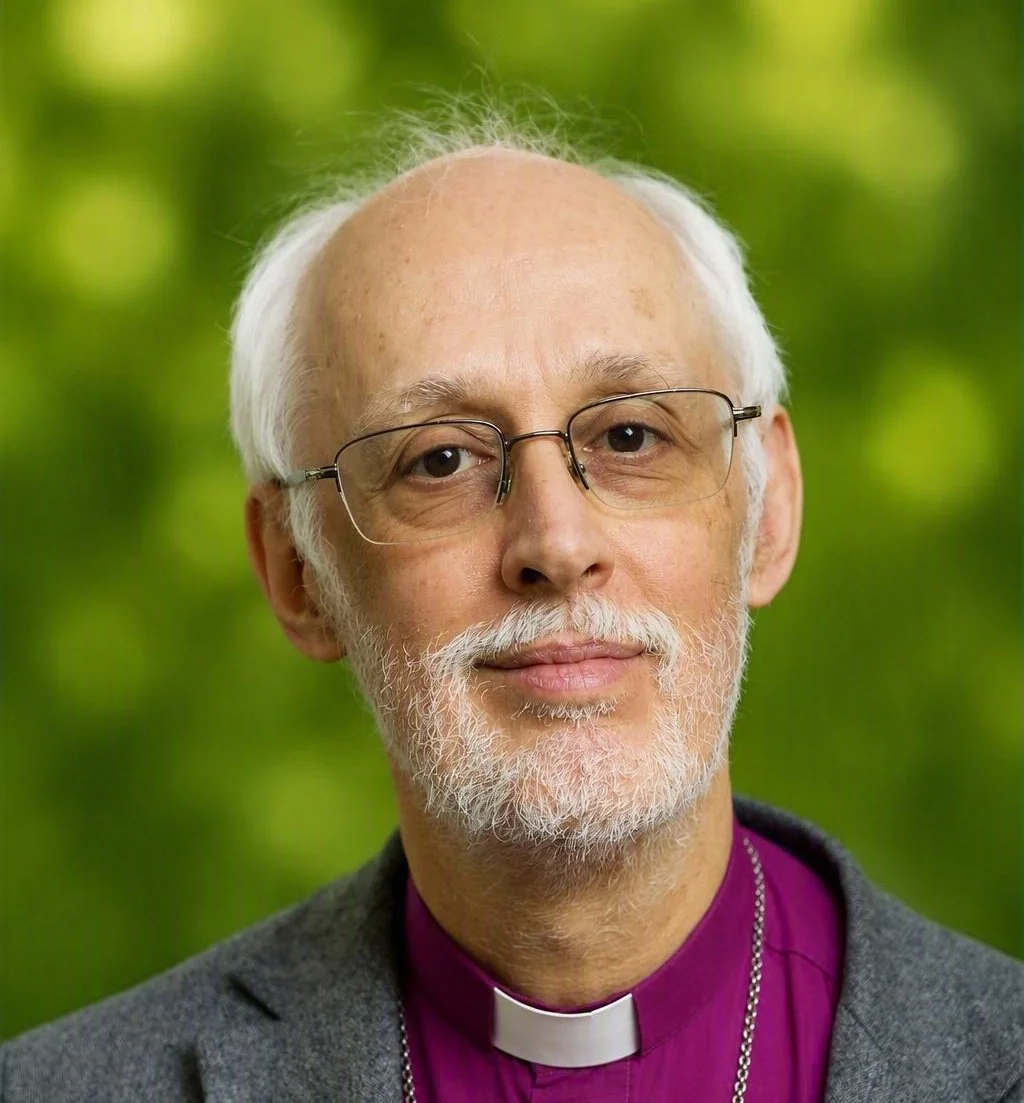
The Right Reverend Dr David Walker
The Lord Bishop of Manchester
“Living in Temporary Accommodation adds a huge burden to any child’s life, disrupting schooling, friendships, and much of what makes for a good childhood. Navigating these stresses and pressures at the same time as managing disability, is too much of a demand for any child, and for any family, to have to bear. Ending Temporary Accommodation for children with disabilities must be a non-negotiable for any society that seeks to care for the young and vulnerable.” -
![]()
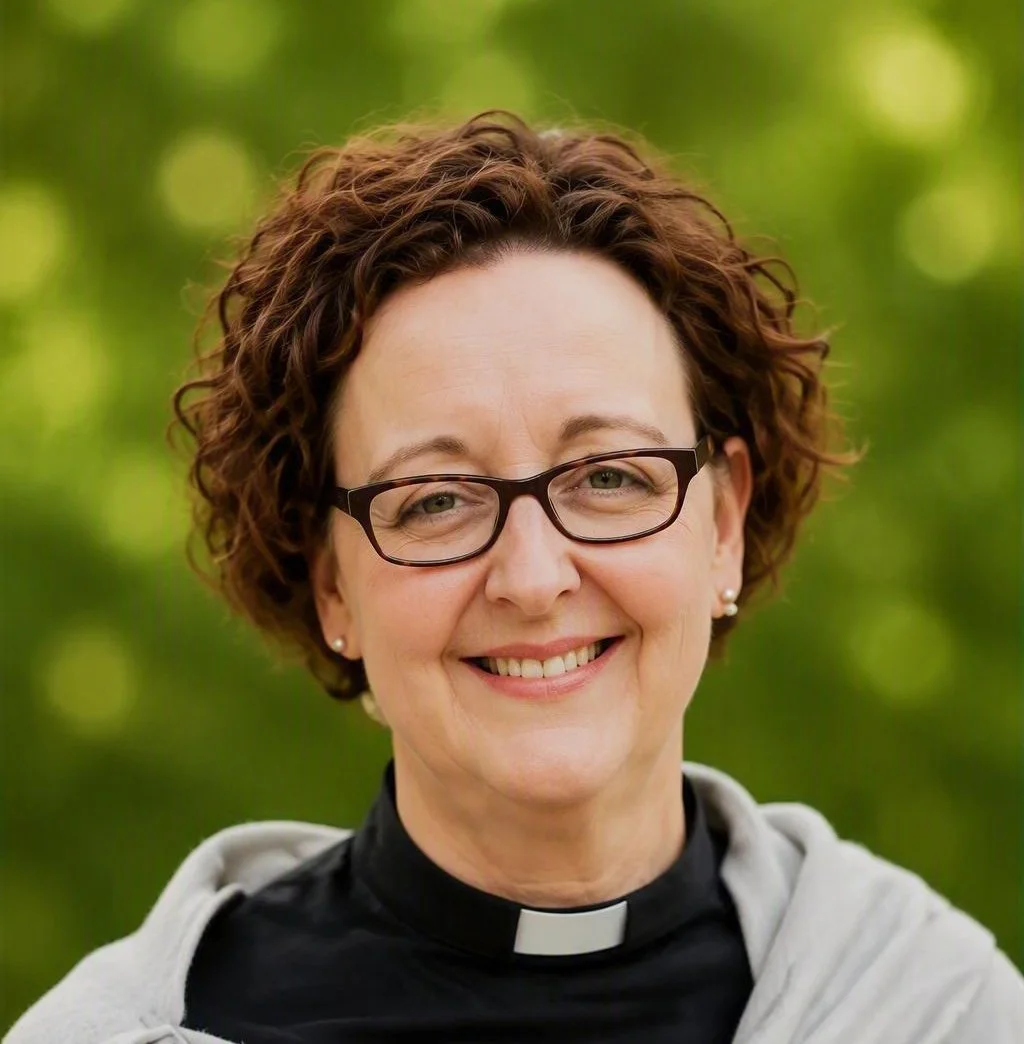
The Right Reverend Dr Joanne Woolway Grenfell
Lord Bishop of Stepney
“Every child deserves a safe and suitable home. I call upon the government to prioritize the wellbeing and dignity of every child and to play its part in safeguarding disabled children by ending unsuitable emergency accommodation.”
-
![]()
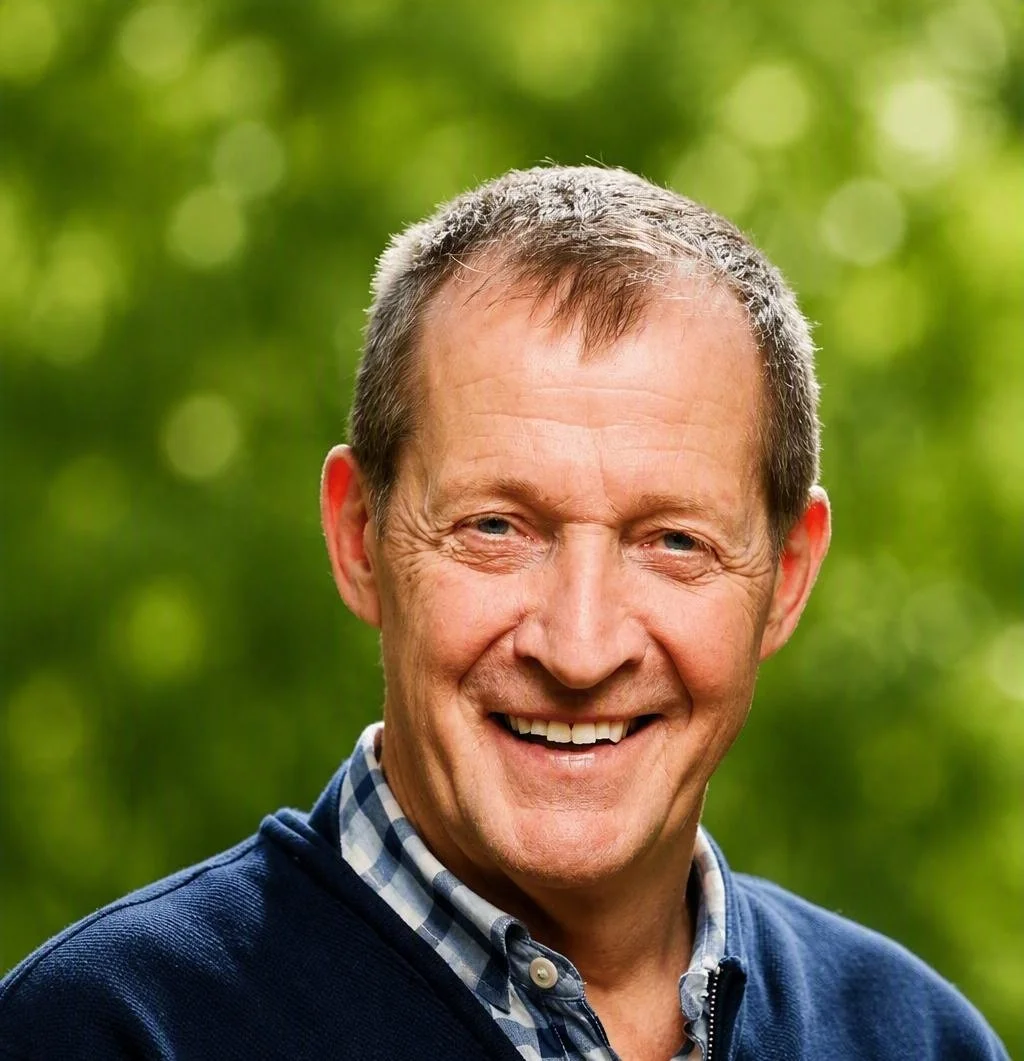
Alastair Campbell
Writer, broadcaster and mental health campaigner
“A decent society should be judged by how it treats those who need the most support. We talk a good game on this, but the reality is very different and totally unacceptable. That so many children with disabilities and their families are being forced to live in temporary accommodation that cannot meet their basic needs should shame us all. Behind every statistic is a child whose development, wellbeing and future opportunities are being put at risk. We need urgent action to ensure these families have access to safe, secure and suitable homes. I know the government faces many challenges and that some of the biggest are not of their making. But this is one that must be addressed with urgency.” -
![]()
Baroness Alison Garnham
Chief Executive, Child Poverty Action Group (CPAG)
"Families with disabled children often face higher living costs, greater caring responsibilities and additional barriers that other families simply do not encounter. When a home is inaccessible or unsuitable, those challenges are compounded. No child should be prevented from thriving because their home does not meet their needs. Ensuring disabled children have access to safe, suitable and accessible housing is not just a housing issue—it is a matter of fairness, inclusion and opportunity. We must do more to ensure that every family can provide a home where their child can live safely, independently and with dignity." -
![]()
Baroness Armstrong of Hill Top
Former Minister for Social Exclusion
“Temporary accommodation should be the last resort for families, but sadly its use has become far too common in recent years. This is particularly true for families with disabled children, who are often housed in completely unsuitable accommodation. Our whole approach to temporary accommodation needs urgent reform. This should begin by addressing the deeply concerning challenges experienced by disabled children and their families."
-
![]()
Baroness Campbell of Surbiton DBE
Disability rights campaigner
"For decades, disabled people have fought for the right to live with dignity, autonomy and equal opportunities. Those rights begin in childhood. When disabled children are forced to live in homes that do not meet their needs, their independence, wellbeing and life chances are compromised from the outset. We must create a society where every disabled child has access to a home that supports their ambitions, respects their rights and enables them to flourish. Accessible housing is not simply a housing issue – it is a matter of equality and human rights."
-
![]()
Matt Downie
Chief Executive of Crisis
“It’s deeply concerning that thousands of disabled children are having to grow up in temporary accommodation which is unsuitable for their needs. Short-term fixes, such as B&Bs and hostels, can never replace the safety provided by a stable home. The devastating effects of temporary accommodation on children’s health, wellbeing and future potential are well-documented. In the most extreme cases, it has even been linked to the deaths of children in our society. This is morally unacceptable and requires a strong response from the UK Government.”
-
![]()
Professor Sheila the Baroness Hollins
Emeritus Professor of Psychiatry of Learning Disability, St George's, University of London
“Placing disabled children in temporary accommodation can have a profound impact on their mental health and wellbeing. Repeated experiences of exclusion can undermine a child's education, confidence and future opportunities. Failing to provide the care, support and investment these children need is not only unacceptable, it is a false economy. I am proud to support this campaign.” -
![]()
Laurence Guinness
Chief Executive of Variety, the Children’s Charity
“For more than 75 years, Variety has worked to improve the lives of children who face the greatest challenges. Our research has exposed a crisis that can no longer remain hidden. Thousands of children with disabilities are living in temporary accommodation that is often inaccessible, unsafe and actively harming their physical and mental health. Behind the statistics are families struggling to access basic things many of us take for granted – a home that is safe, stable and supports a child to thrive. The stories of the families we support are a deeply moving call to action. Every disabled child deserves a home that protects their health, dignity and development. We wholeheartedly support the Safe Homes for Disabled Children campaign and urge policymakers to take the urgent steps needed to ensure that no disabled child is left living in temporary accommodation.” -
![]()
Andrea Egan
General Secretary of UNISON
“A safe and suitable home is one of the most important foundations a child can have. Through my career in children's services, I've seen the difference that secure housing makes to a child's wellbeing, development and ability to participate fully in family and community life. For disabled children, the consequences of unsuitable or inaccessible accommodation can be profound, affecting health, education, independence and mental wellbeing. No family should be left struggling to care for their child because the housing available simply does not meet their needs. We need a housing system that recognises the rights of disabled children and ensures every family has access to a home where their child can be safe, supported and able to thrive.” -
![]()
Nabhan Malik
Children’s rights campaigner and co-founder of the Children’s Prosperity Plan
“I was proud to play a leading role in the campaign to abolish the two-child benefit cap and lift 500,000 children from poverty, because I believe that no child should see their life chances limited by circumstances beyond their control. The same principle lies at the heart of this campaign. Disabled children living in unsuitable temporary accommodation are being failed by systems that should be protecting them. Every child deserves a safe, stable and accessible home, and we have a responsibility to ensure that some of the most vulnerable children in our society are not left behind.”
-
![]()
Gary Smith
GMB Union General Secretary
“Putting disabled children into temporary accommodation is totally unacceptable. In too many instances, such accommodation cannot meet their needs or provide the essential security and stability that is so important. There can also be huge issues regarding accessibility in such premises, and GMB has long argued for better housing standards and information for disabled people. All children deserve a safe, accessible, suitable place to call home.”
-
![]()
Anthea Turner
Broadcaster and author
“My sister Ruth was disabled, she had Spina Bifida. We had a lovely home and she was well looked after by my parents. But I remember how difficult it was leaving the family home even for the 5 of us to go on a UK holiday break. I can only imagine how traumatic it would be for a family with a disabled child to be accommodated long term in an inappropriate environment. I support the campaign 'Safe Homes for Disabled Children' and look forward to a happy resolution.” -
![]()
Kevin Munday
Chief Executive of Buttle UK
“At Buttle UK, we see every day how much a safe and stable home matters to a child’s wellbeing and their ability to thrive. For disabled children, being placed in emergency accommodation that is inaccessible or simply cannot meet their needs can turn an already difficult situation into a crisis. No child should have their health, education or development put at risk because the place they are living is unsuitable. We strongly support the Safe Homes for Disabled Children campaign’s call for disabled children and their families to be given the security, dignity and appropriate housing they need.”
-
![]()
Andrew Fletcher
Chief Executive of Muscular Dystrophy UK
“For many children living with muscle wasting conditions, the suitability of their home can have a profound impact on every aspect of daily life. Accessible housing is not a luxury. It is essential for a child's safety, health, independence and dignity. Too many families are already managing complex care needs, and being placed in temporary or unsuitable accommodation only adds to the challenges they face. Every disabled child deserves a home that supports them to live well, participate fully in family life and reach their potential. We urge policymakers to take action to ensure that no disabled child is left in housing that fails to meet their needs.” -
![]()
Moazzam Malik
Chief Executive of Save the Children UK
“A safe home is not a privilege; it is the foundation on which children build healthy, happy and fulfilling lives. For disabled children living in unsuitable temporary accommodation, that foundation is too often missing. We cannot accept a situation where some of our most vulnerable children are left in environments that compromise their health, wellbeing and future life chances. Every child deserves better, and government must act with urgency to ensure disabled children are no longer left behind.”
-
![]()
Haroon Chowdry
Chief Executive of Centre for Young Lives
“Children’s life chances should not be held back by the homes they live in. For disabled children, an inaccessible home can limit opportunities, undermine independence, place enormous strain on families, and even put some children’s health at risk. We know that the early years and childhood experiences are crucial to shaping young lives, yet too many disabled children are growing up in homes that do not support their needs. This is not inevitable, and it is not acceptable. We need greater ambition to ensure every disabled child has a safe, suitable and accessible home that allows them to participate fully in family, school and community life."
-
![]()
Kamran Mallick
Chief Executive of Disability Rights UK
"Disabled children are living in unsafe and inaccessible homes, which is not acceptable. Disabled children spend far too long in unsafe and inaccessible temporary accommodation, where their additional needs fail to be met. We need this Government to take the housing needs of disabled people more seriously, by embedding them into plans to upgrade the existing housing stock and plans for accessible new build homes. Access starts with housing, and every disabled child deserves a place that truly feels like home." -
![]()
Anna Bird
Chief Executive of Contact
"For disabled children, having a safe, suitable home is essential for their health, development and wellbeing. Contact's own research has shown that too many families with disabled children are already living in unsuitable accommodation, with many reporting damp and mould, overcrowding, poor accessibility and dangerous layouts that put their children at risk. No child should have to endure emergency accommodation that is inaccessible, unsafe or unable to meet their needs.”
-
![]()
Jon Sparkes OBE
Chief Executive of Mencap
“Every disabled child should have the opportunity to live safely, independently and with dignity in a home that meets their needs. Yet far too many families are living in unsuitable housing that creates unnecessary barriers to everyday life, impacts wellbeing and limits opportunities. For children with a learning disability or who have complex needs, the right home can be transformative – supporting development, family life and inclusion in the community. This campaign highlights an issue that has been overlooked for too long and rightly calls for urgent action to ensure disabled children and their families have access to the homes they need to thrive.”
-
![]()
Steve Darling MP (Liberal Democrat)
Disability rights campaigner
“Disabled children deserve the same opportunities as every other child: the chance to grow up safe, healthy and able to reach their full potential. Yet too many families are being forced to live in temporary accommodation that simply does not meet their needs. When housing is unsuitable, it creates barriers that affect every aspect of a child’s life, including their education and health. As a society, we should be judged by how we support those facing the greatest challenges. The fact that thousands of disabled children are living in crisis housing must be addressed immediately.”
-
![]()
Hannah Spencer MP (Green)
Spokesperson for Housing
“I'm pleased to support this vital and urgent campaign to end emergency accommodation for disabled children across England. Temporary accommodation is supposed to be a safety net, but right now it is failing those who need it most. Disabled children are being put in situations that makes their physical and mental health worse. That is simply unacceptable. Every child deserves a home that is safe, secure and comfortable.”
-
![]()
Paula Barker MP (Labour)
Co-Chair of the APPG on Households in Temporary Accommodation
“I wholeheartedly support the campaign to end the use of emergency accommodation for disabled children across England. It is unsuitable and lacks the basic features and accessibility adaptations that are necessary for children with a disability. I believe no child should be put into emergency accommodation, it is unsafe and inadequate. And we know the very real danger it poses. Between 2019 and 2024 at least 74 children died with temporary accommodation contributing to their vulnerability or ill health. Temporary accommodation should be safe, healthy and, just that, temporary!”
-
![]()
Chris Hinchliff MP (Labour)
Chair of the All Party Parliamentary Group for Council and Social Housing
“We cannot call ourselves a civilised nation as long as we allow disabled children to die in dangerous and completely unsuitable temporary accommodation. This is not just a housing issue, it is a matter of dignity, equality, and children’s rights. I am proud to support the Safe Homes for Disabled Children campaign and its call for urgent action to ensure no disabled child is left living in unsuitable temporary accommodation.”
-
![]()
Kim Johnson MP (Labour)
Advocate for social justice
"Every disabled child deserves to grow up in a safe, stable and suitable home. Yet far too many families are being forced into emergency accommodation that are wholly unsuitable for meeting disabled children's needs. These settings can deny children the specialist equipment, routines and accessible environments they rely on, placing immense strain on their health, wellbeing and development. This is not simply a housing failure - it is a failure to uphold the rights and dignity of these children. No child should be left without the support they need because of a lack of appropriate accommodation. We need to ensure that every family has the security and stability they deserve."
-
![]()
Jen Craft MP (Labour)
Health and Social Care Committee
“As the mother of a disabled daughter, I know firsthand how vital a safe and accessible home is. For a disabled child the right housing can be transformative, supporting their independence and wellbeing. Currently, too many families are forced to battle a housing system that doesn’t recognise their basic needs, with their child’s development put at risk. We need to take urgent action to ensure every disabled child has a safe and suitable place to call home, giving them every opportunity to thrive.” -
![]()
Marsha de Cordova MP (Labour)
Former Shadow Minister for Disabled People
“Disabled children are being placed in emergency housing that actively damages their health and wellbeing. What's meant to be a protective measure has instead become a source of harm, failing to provide the stability that these children need. That’s why I’m proud to back this crucial campaign to eliminate the use of emergency housing for children with disabilities throughout England. Every child is entitled to a home built around their needs, not one that works against them.”
-
![]()
Bob Blackman CBE MP (Conservative)
Co-Chair of the APPG for Ending Homelessness
“Every child deserves a safe, secure place to call home. I am concerned that thousands of disabled children are being placed in emergency accommodation that is not designed to meet their needs. Temporary housing should provide dignity, accessibility and proper support, so I support the campaign and urge the Government to work with local authorities and housing providers to end the use of unsuitable emergency accommodation for disabled children and ensure that every child has the opportunity to thrive.” -
![]()
Baroness Rosa Monckton MBE
Disability rights campaigner
“I emphatically endorse this campaign. Temporary or emergency accommodation is grotesquely unsuited for disabled children, who, more than anyone, require stability and predictability in their lives. That is a basic requirement for their safety, which demands reliability in the therapeutic programmes and medical care: moreover, emergency accommodation will not be configured in the way essential to accommodate their disabilities. This cannot continue.”
-
![]()
Aaron Phipps MBE
Paralympic Gold Medallist
-
![]()
James Watson-O’Neill OBE
Chief Executive of Sense
"Every disabled child deserves a safe, suitable home where they can access the support they need to thrive. It is deeply concerning that so many disabled children are being forced to live in emergency accommodation that is often inaccessible and ill-equipped to meet their needs, creating additional barriers to the care and support they rely on every day. We support the call to end the use of emergency accommodation for disabled children across England and urge the Government to ensure that disabled children and their families always have access to safe, accessible and suitable accommodation that meets their needs."
-
![]()
Dr Shani Dhanda
Accessibility specialist and broadcaster
"Disabled children are being failed by inaccessible systems, and unmet needs create barriers instead of removing them. No child should spend months or years in emergency accommodation that is inaccessible, unsafe or detrimental to their health and development. I recognise the immense pressures facing local authorities and the shortage of accessible housing, but that cannot mean disabled children become invisible within housing policy. This campaign is calling for practical reforms that improve accountability, raise standards and ensure disabled children are prioritised so every family has the opportunity to live in a home that supports, rather than limits, their lives."
-
![]()
Jessica Kellgren-Fozard
Disability advocate, author and content creator
“Every child deserves a home that is safe, accessible and allows them to thrive. Yet too many disabled children are being placed in temporary accommodation that simply does not meet their needs. When a home isn't designed for you, everyday tasks become exhausting barriers rather than ordinary parts of childhood. We cannot continue to treat disabled children's wellbeing as an afterthought. Safe, suitable housing is not a luxury, it is a basic right, and it's time we ensured every family has access to it.”
-
![]()
Ade Adepitan MBE
Paralympian, broadcaster and disability rights campaigner
“Every disabled child deserves the chance to grow up in a home that is safe, accessible and supports them to thrive. Yet far too many families are being placed in temporary accommodation that simply does not meet their needs, creating barriers that affect children’s health, wellbeing and independence. As a disabled person, I know how important the right environment can be in unlocking opportunity and potential. We cannot accept a situation where disabled children are being held back by housing that is unsuitable and unsafe. A home should be a foundation for life, not another obstacle to overcome.”
-
![]()
Sophie Morgan
Broadcaster, disability rights campaigner and founder of the Rights on Flights campaign
“Disabled children are too often overlooked when decisions about housing are made. Yet the consequences of getting it wrong can be profound and long-lasting. Safe, accessible housing is not a luxury – it's a necessity. If we're serious about creating a fairer society, we must ensure that disabled children are never left living in crisis housing that fails to meet their needs.”
-
![]()
Lee Ridley
Comedian, writer and disability advocate, best known as ‘Lost Voice Guy’
“As a disabled person, I know how much an inaccessible environment can limit your independence, your health and your ability to live your life. No disabled child should be forced to live in accommodation that simply doesn’t meet their needs. A safe, accessible home is a basic right, and the fact that thousands of disabled children are being failed in this way is completely unacceptable.”
-
![]()
Dame Evelyn Glennie CH
Grammy Award-winning solo percussionist and Founder of The Evelyn Glennie Foundation
“A home is not simply four walls and a roof - it is the foundation from which a child can feel safe, valued and able to flourish. For disabled children, placing them in unsuitable emergency accommodation can deny them dignity, security and the opportunity to thrive. We must stop treating appropriate housing as an optional extra. Every disabled child deserves a safe, accessible and permanent home that meets their needs because inclusion begins at home.”
-
![]()
Chris Bonnello
Author and founder of Autistic Not Weird
"This is an issue that we, as a modern society, absolutely cannot afford to ignore. Disabled children are often among the very first to be sidelined or have their needs ignored, and having to rely on temporary accommodation only adds to the vulnerability of these people and the danger they experience. The death rate of disabled children in emergency accommodation should be zero, and it is unacceptable that we have allowed these children's needs to be met so poorly that it is costing lives. It is imperative that these issues are addressed, and I whole-heartedly commend this campaign for its efforts in trying to make the problems of unsuitable accommodation a thing of the past."
-
![]()
Nina Tame
Disability advocate and content creator
“Disabled children already face too many barriers in everyday life. Their home should be the place where those barriers disappear — not where they begin. As a wheelchair user, I know first-hand how much our surroundings shape our independence, health and wellbeing. No family should be left in accommodation that puts a child’s health, dignity or development at risk simply because it isn't accessible. Safe, accessible housing is not a privilege; it is a fundamental human right.”
-
![]()
Chris McCausland
Comedian
“Every child deserves a safe and secure place to call home. For children with disabilities, that home isn’t just somewhere to sleep – it’s the foundation that allows them to live, learn, play and thrive. Too many families are being forced to navigate temporary accommodation that simply isn’t designed for their needs, creating stress and uncertainty at a time when stability matters most. We can and should do better. No child should be held back because they don’t have a suitable home, and no family should have to fight for the basic dignity of living somewhere that works for them. It’s time to make sure disabled children have the safe, accessible homes they deserve.”
-
![]()
Professor Anne Edwards
Emeritus Professor, Department of Education, University of Oxford
"Children's opportunities are shaped by the environments in which they live and grow. For disabled children, suitable housing can be transformative, enabling participation in family life, education and the wider community. Creating homes that support children's needs is about far more than accommodation alone; it is about building the conditions in which children can develop, thrive and look to the future with confidence. We should ensure that every disabled child has that opportunity."
-
![]()
Baroness Ruth Lister of Burtersett CBE FBA
Emeritus Professor of Social Policy, Loughborough University
“The true measure of a society is how it treats its most vulnerable members. Disabled children should not be growing up in temporary accommodation that undermines their health, development and wellbeing. Every child deserves the security of a safe, stable home, and this campaign makes a compelling case for urgent action to ensure that disabled children are no longer overlooked within housing policy.”
-
![]()
Professor Rebecca Tunstall
Professor Emerita of Housing Policy, University of York
“Temporary accommodation can have serious consequences for children’s health, wellbeing and development, particularly when families spend months or even years without a permanent home. No child should live in temporary accommodation for longer than an absolute minimum period. For disabled children, whose needs may be more complex and whose lives can be disproportionately affected by unsuitable housing, the urgency is even greater. They should be among the first children we seek to protect from the harms of prolonged temporary accommodation.”
-
![]()
Professor Tom Shakespeare CBE FBA
Professor of Disability Research, London School of Hygiene & Tropical Medicine
"No disabled child should be in unsafe, temporary accommodation, which risks their health, even their life. All disabled children deserve safety and security, like all children. As a grandparent and parent of disabled people, and as a disability rights campaigner, this is of the utmost importance."
-
![]()
Professor Monica Lakhanpaul
Professor of Integrated Community Child Health at UCL Great Ormond Street Institute of Child Health, University College London
“A safe, stable and suitable home is one of the most important foundations for a child’s health and development. We know that housing insecurity and unsuitable living conditions can have profound consequences for children’s physical health, mental wellbeing, education and long-term life chances. For disabled children, those risks can be even greater. Every child deserves an environment that supports their growth, dignity and potential, and we must ensure that housing policy reflects the needs of the most vulnerable children in our society.”
-
![]()
Professor Dan Goodley
Professor of Disability Studies and Education, University of Sheffield
“The continued use of unsuitable emergency accommodation for disabled children reflects a failure of systems, not individuals. Too often, we see disabled children forced to adapt to environments that undermine their wellbeing, rather than environments adapting to meet their needs. A truly inclusive society designs housing, services and policies around the diversity of its people. Every disabled child deserves a home that offers safety, stability, belonging and the opportunity to thrive.”
-
![]()
Professor Katherine Brickell
Professor of Human Geography, King’s College London
“The evidence is increasingly clear that unsuitable temporary accommodation is causing real harm to disabled and neurodivergent children. Families describe overcrowding, instability, inaccessible housing and environments that can be overwhelming and distressing for children with additional needs. These are not simply housing challenges; they are issues of children's rights, wellbeing and social justice. Disabled children deserve homes that help them thrive, not systems that place additional barriers in their way.”
-
![]()
Dr Hannah Fairbrother
Professor of Public Health, University of Sheffield
“The evidence is clear that housing insecurity has a profound impact on children’s health, wellbeing and development. For disabled children, the consequences of unsuitable temporary accommodation can be particularly severe, affecting everything from access to healthcare and education to social participation and family life. Safe, stable and appropriate housing is not a luxury — it is a fundamental foundation for a healthy childhood. We need urgent action to ensure that no disabled child is left living in accommodation that puts their wellbeing at risk.”
-
![]()
Professor Angharad Beckett
Professor of Political Sociology and Social Inclusion, University of Leeds
"A child placed in a room where their hoist cannot be used. A wheelchair user who cannot move around their own room. We call this 'unsuitable housing'. I would call it violence - not a raised hand, but harm produced by omission and by policy. Harm that was foreseeable, and that someone had the power to prevent. Parliament's own committee heard of a disabled child whose femur was fractured when his family tried to move him in accommodation where his hoist could not be used, and was told the injury had been predicted. Predicted, and permitted. This of course breaches the UK's obligations under Articles 7, 19 and 28 of the UN Convention on the Rights of Persons with Disabilities. This must stop. I support this campaign because preventable harm should not be filed away in a wider housing crisis."
-
![]()
Professor Anne Power CBE
Emeritus Professor of Social Policy and Head of LSE Housing and Communities, The London School of Economics
“It’s very good news that a campaign has been launched to try and stop the use of emergency accommodation for disabled children. These children are very vulnerable and need special care. It should not be a practice that is adopted by local council. These children need special provision and cannot be cared for through the use of temporary accommodation. This practice should stop as soon as possible.”
-
![]()
Professor Jill Manthorpe CBE
Professor Emerita of Social Work, King's College London
"The problems faced by disabled children and their families are often compounded by housing that does not meet their needs, particularly if they are temporarily housed. Accessible, affordable and appropriate housing is not simply a matter of convenience; it is closely linked to good health, social inclusion, family resilience and wellbeing. As our population grows and some people's needs become more complicated, it is vital that housing policy keeps pace. Increasing the numbers of safe and suitable homes for disabled children and their families should be recognised as both a social priority and a long-term investment in better outcomes for the children, their families and wider society."
-
![]()
Professor Hannah Morgan
Professor of Disability Studies, University of Leeds
"A safe, accessible and appropriate home should be a basic expectation for every family, yet many disabled children continue to encounter unnecessary barriers in their everyday lives because their housing does not meet their needs. We must listen to disabled children and their families and place their experiences at the centre of decision-making. By ensuring access to suitable housing, we can help create a society where disabled children are able to flourish, participate fully and enjoy the same opportunities as their peers."
-
![]()
Dr Kesia Reeve
Housing Researcher and Principal Research Fellow, Sheffield Hallam University
"For too many families, the challenges of raising a disabled child are made significantly harder by housing that simply does not meet their needs. We have extensive evidence that poor or unsuitable housing can undermine wellbeing, place additional strain on families and reinforce disadvantage. Safe, accessible and suitable homes are not a luxury; they are a fundamental foundation for inclusion, independence and opportunity. Disabled children deserve homes that help them flourish, not environments that create further barriers."
-
![]()
Professor Colin Barnes
Emeritus Professor of Disability Studies, University of Leeds
"The barriers experienced by disabled children are not inevitable consequences of impairment; they are often the result of environments and systems that have failed to accommodate human diversity. Housing is a clear example. When homes do not meet children's needs, exclusion is built into everyday life. Accessible and suitable housing is therefore not an optional extra but a fundamental requirement for social inclusion, participation and equal opportunity."
-
![]()
Professor Lisa Scullion
Professor of Social Policy, University of Salford
"Too many disabled children and their families face avoidable challenges because the homes available to them do not meet their needs. Accessible and suitable housing can transform everyday life, helping to reduce stress on families, promote independence and improve long-term outcomes for children. Ensuring access to the right housing should be recognised as a key part of tackling inequality and supporting disabled children to thrive."
-
![]()
Professor Rick Hood
Professor of Social Work at Kingston University London
“Safe, accessible and appropriate housing is a fundamental determinant of disabled children’s health and development. A home is at the heart of family life and provides the secure base from which children can participate in their communities. The continued use of emergency and temporary accommodation that does not meet disabled children’s needs therefore creates harm that is both foreseeable and preventable. It is an act of social cruelty and requires urgent government action.”
-
![]()
Dr Kirsty Liddiard
Associate Professor in the School of Education, University of Sheffield
“No child should be subject to living in temporary accommodation: everyone deserves a permanent home. But for disabled children and young people, who may need support via care and/or equipment in the home to move, breathe, bathe, sleep and play, temporary housing cannot provide a safe level of accessibility needed to live and thrive. The wider impacts of this upon their education, learning, development and social and emotional lives is extensive, and also ripples out to parents, carers, siblings and wider family. A safe, accessible and permanent home that meets their needs cannot just be a goal for disabled children and young people, but must become a right and a reality.”
-
![]()
Professor André Strydom
Professor of Intellectual Disabilities and Consultant Psychiatrist, King's College London
“Stable, safe and accessible accommodation is fundamental to the long-term physical health, mental wellbeing and overall development of children and young people with disabilities. The home environment shapes every aspect of a child's life, from their ability to access healthcare, education and social opportunities, to the wellbeing of the wider family. When families are living in housing that does not meet their child’s needs, they often face significant barriers to accessing the right support and services. Ensuring families have suitable housing is therefore not simply a matter of accommodation policy; it is an essential component of delivering equitable health and social care support for disabled children and their families.”
-
![]()
Professor Nora Ellen Groce
Leonard Cheshire Chair of Disability and Inclusive Development, University College London
“Access to safe, suitable and accessible housing is a fundamental determinant of health and wellbeing, yet it remains out of reach for too many families raising disabled children. When a child lives in a home that cannot accommodate their needs, the consequences extend far beyond the physical environment. It can affect access to healthcare, education, social participation and family stability, while placing significant emotional and financial pressures on parents and carers. Addressing this challenge requires coordinated action across housing, health and social care systems to ensure that no family is left behind.”
-
![]()
Professor Ingrid Wolfe OBE
Professor of Paediatrics and Child Population Health at King's College London
"Housing is a child health issue. The evidence is clear that the environments in which children live are fundamental to their physical health, mental wellbeing and future life chances. For disabled children, unsuitable housing can create avoidable barriers that impact every aspect of daily life. By ensuring that families have access to safe, suitable and accessible homes, we can improve health outcomes, promote independence and help tackle inequalities. Every disabled child deserves a home that enables them to thrive.”
-
![]()
Dr Miro Griffiths MBE
Associate Professor of Social Policy and Disability Studies and Director of the Centre for Disability Studies, University of Leeds
“Disabled children and their families should not have to fight for the basic right to live in a safe and accessible home. Yet too many are still forced to live in housing that restricts self-determination, undermines dignity, and places avoidable pressure on family life. This is a question of equality, rights, and political priorities. The Safe Homes for Disabled Children campaign rightly challenges us to recognise that accessible housing is fundamental to disabled children’s freedom, participation, and ability to flourish.” -
![]()
Professor Victoria Cooper
Professor of Childhood Studies, The Open University
“Research evidence clearly demonstrates the enduring and significant impact that temporary and unsuitable housing has for disabled and neurodivergent children. Currently, disabled children are being placed in temporary housing which does not support their complex needs and does not provide a safe environment for them to flourish. As a society we should be ashamed of how we treat our most vulnerable citizens. Suitable housing is a fundamental human right that fosters safety, health and wellbeing. The continued marginalisation of disabled children and their right to a place to call home is not only a breach of their rights to fully participate within society but a social injustice. I fully support the Safe Homes for Disabled Children campaign and welcome greater awareness raising and recognition that accessible housing will support the children of our future.”
-
![]()
Professor Luke Clements
Emeritus Professor of Law and Social Justice, University of Leeds
“It is source of national shame that disabled children and their families fare badly on almost every measure of material deprivation. Sadly, this is the case in relation to that most basic of human needs, namely the need for secure, fit for purpose, decent long-term accommodation. Far too often, in our research, we come across heartbreaking, breathtaking action by public bodies placing disabled children and their families in downright dangerous emergency accommodation. Children only have one shot at ‘childhood’ but the traumas caused by these early and dreadful experiences are life-long – life limiting. As a civilised nation, we must bring this to an end.”
-
![]()
Professor Jane E.M. Callaghan
Director of the Centre for Child Wellbeing and Protection, University of Stirling
“Safety is not only about being out of reach of harm. It is about being able to move around your own home, keep your routines, sleep, and know what tomorrow will look like. Emergency accommodation takes all of that from disabled children, often for months and sometimes for years. Accessibility is not only ramps and lifts. Noise, light and shared corridors that a child with sensory difficulties cannot escape do real damage too, and the needs of children whose disabilities are not visible are the least likely to be recognised when a placement is made. Nearly half of English local authorities do not record how many disabled children they place in temporary accommodation. Children who are not counted are not planned for, and their needs disappear into a general housing shortage. A safe, accessible home is the minimum condition for a childhood, not a reward for reaching the front of a queue. No disabled child should be living in a B and B or a hostel.”
-
![]()
Professor Jane Millar OBE FBA
Professor Emerita of Social Policy at the University of Bath
-
![]()
Professor Sara Ryan
Professor of Social Care at Manchester Metropolitan University and Founder of the Laughing Boy Project
"Every disabled child - like every child - deserves a safe, stable home where they can thrive, yet many families are left without appropriate support and accommodation. This is unacceptable and demands urgent action."
-
![]()
Professor Francesca Happé CBE
Professor of Cognitive Neuroscience and Director of the Institute of Psychiatry, Psychology & Neuroscience's Centre for Autism at King's College London
"Every child needs a home environment where they feel safe, secure and able to flourish. For disabled children, having accommodation that meets their needs is not simply a matter of comfort, it can have a profound impact on their wellbeing, development and participation in family and community life. When families are placed in unsuitable housing, the consequences can be significant and long-lasting. We must do more to ensure that disabled children and their families have access to homes that provide the stability, dignity and support that every child deserves.”
-
![]()
Professor Tracy Shildrick FAcSS
Professor of Inequalities, Newcastle University
“The evidence is clear that poverty, inequality and poor housing reinforce one another, creating lasting disadvantages for children and families. Disabled children are particularly vulnerable when they are placed in temporary or unsuitable accommodation that cannot meet their needs. A safe, stable and accessible home is not simply a matter of comfort, it is fundamental to a child’s health, development and future life chances. We must do more to ensure that no disabled child is left growing up in housing that undermines their wellbeing and limits their future and opportunities, when we know disabled young people face numerous complex challenges as they move into young adulthood. Safe and suitable housing is a basic human right for any child, and no decent society should deny it.”


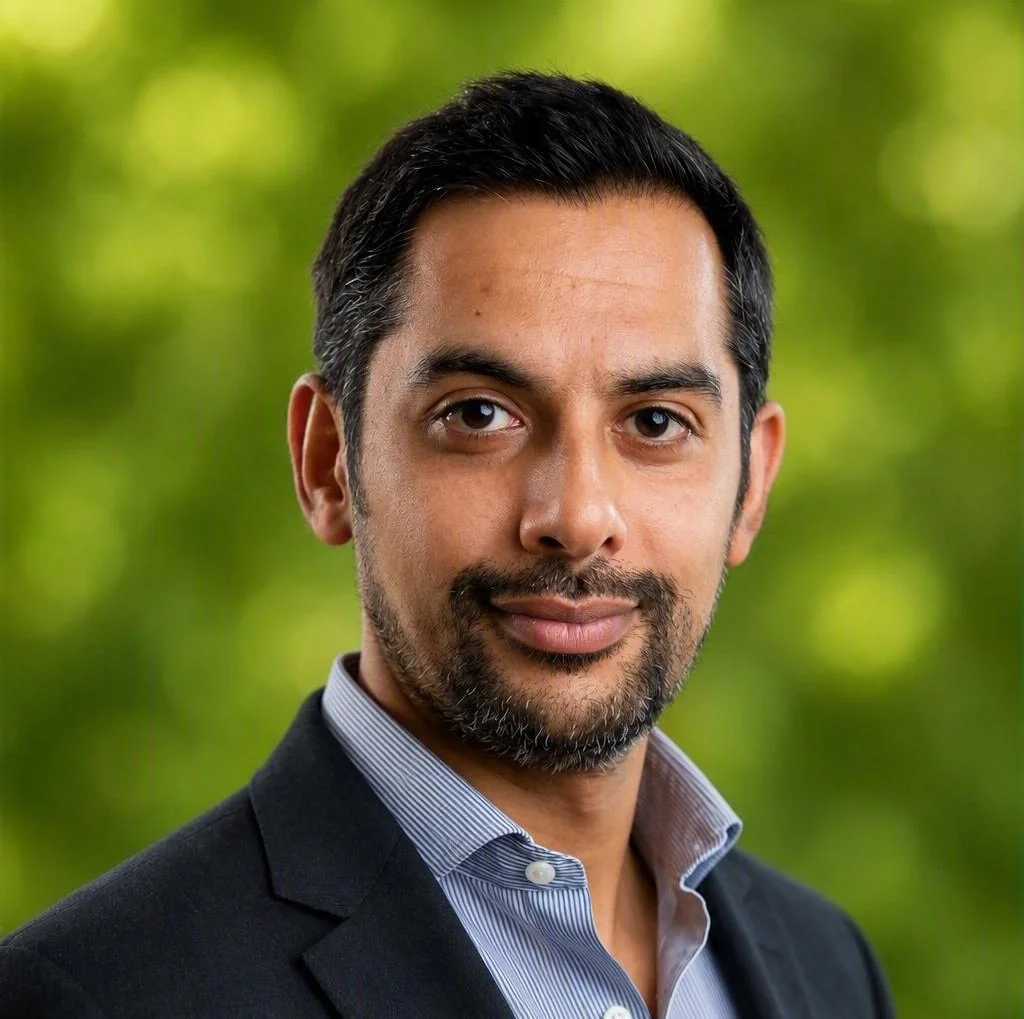
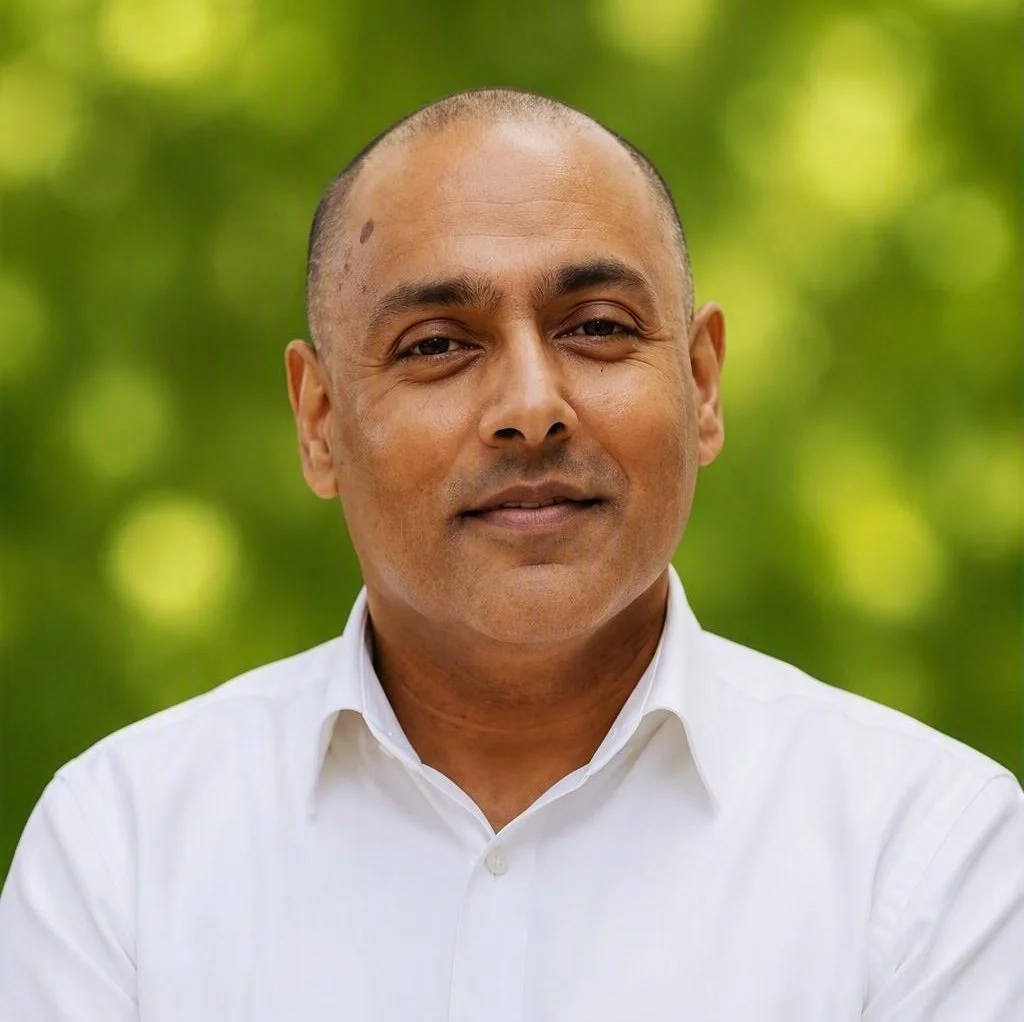
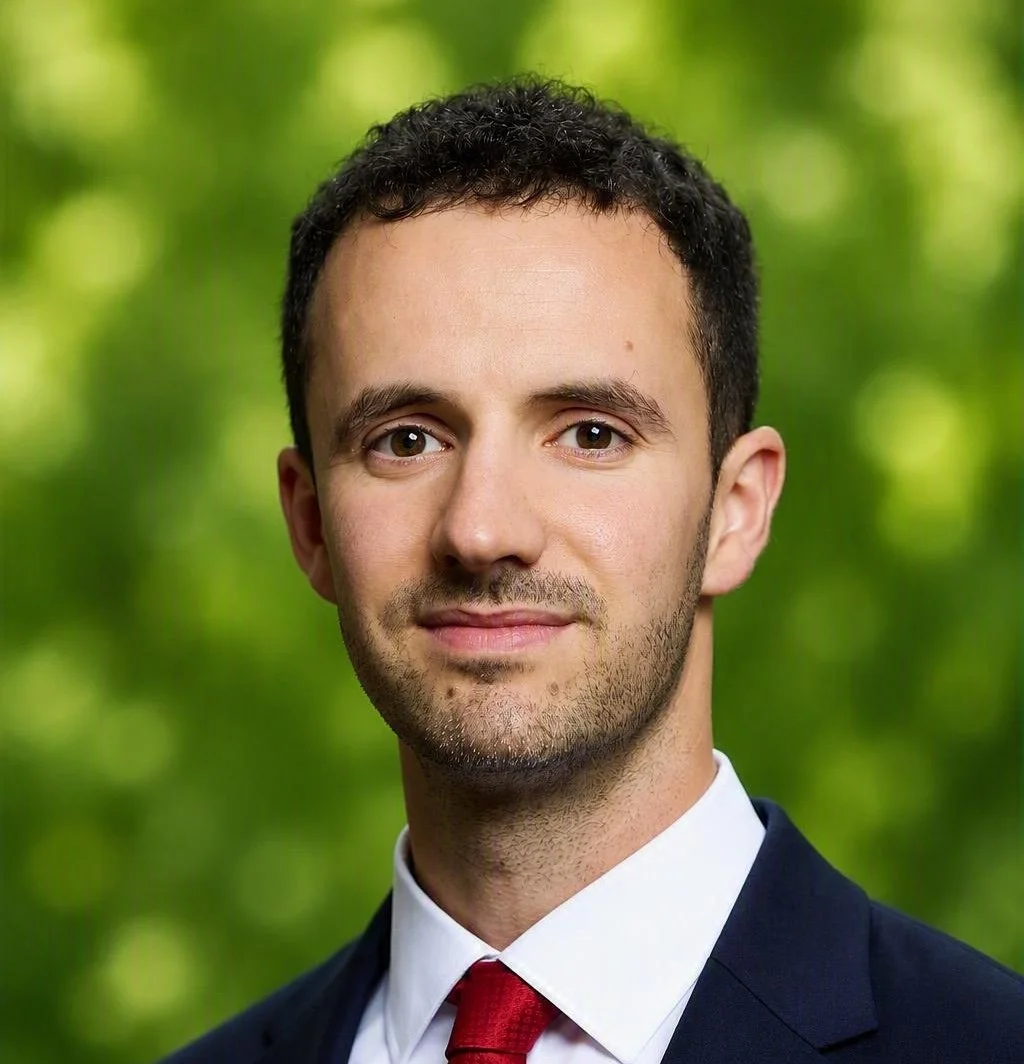

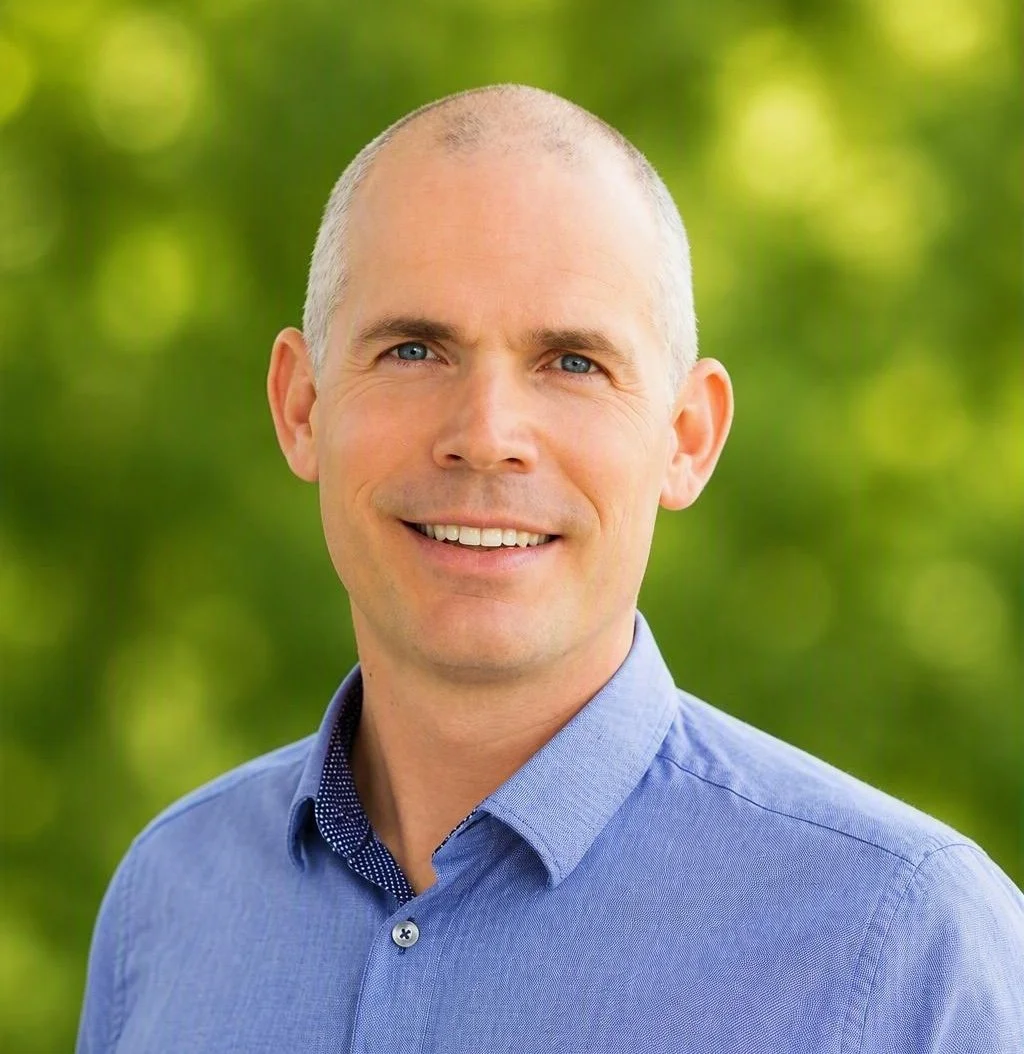
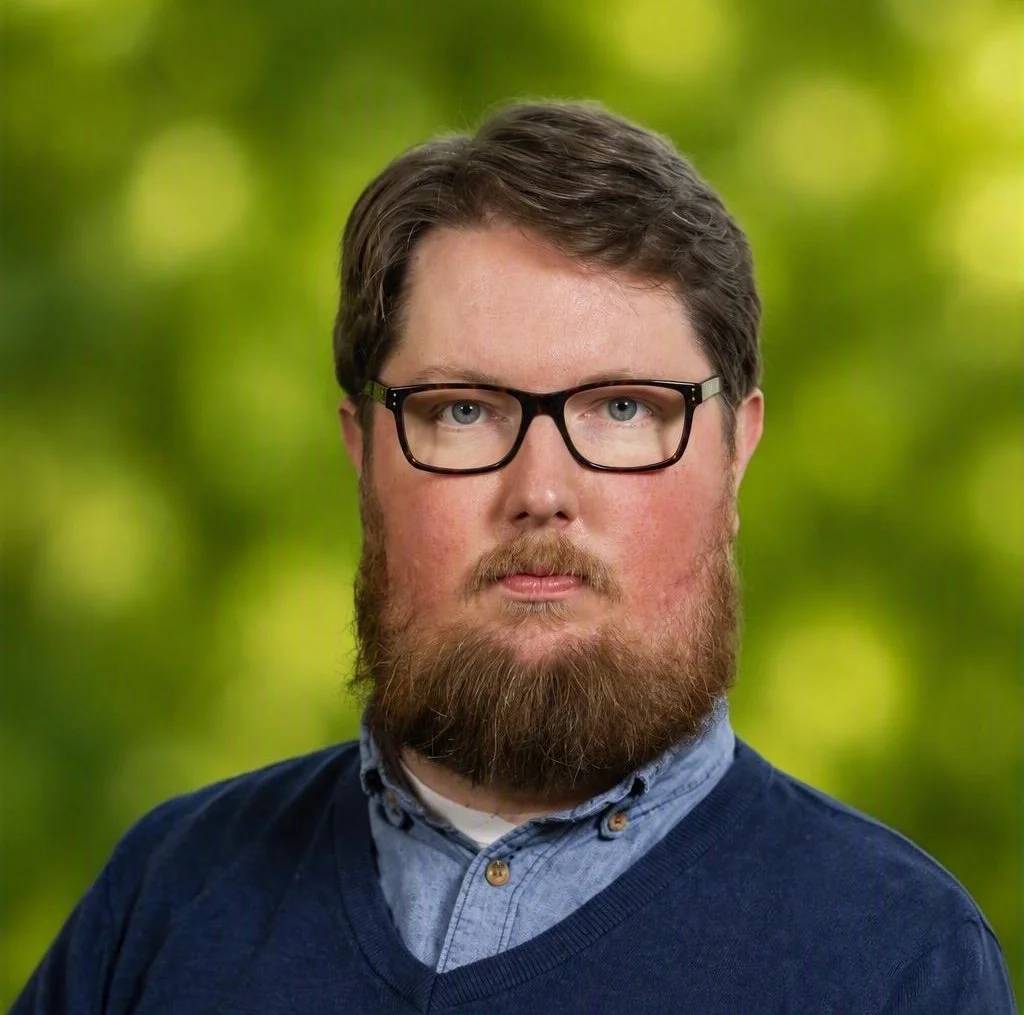

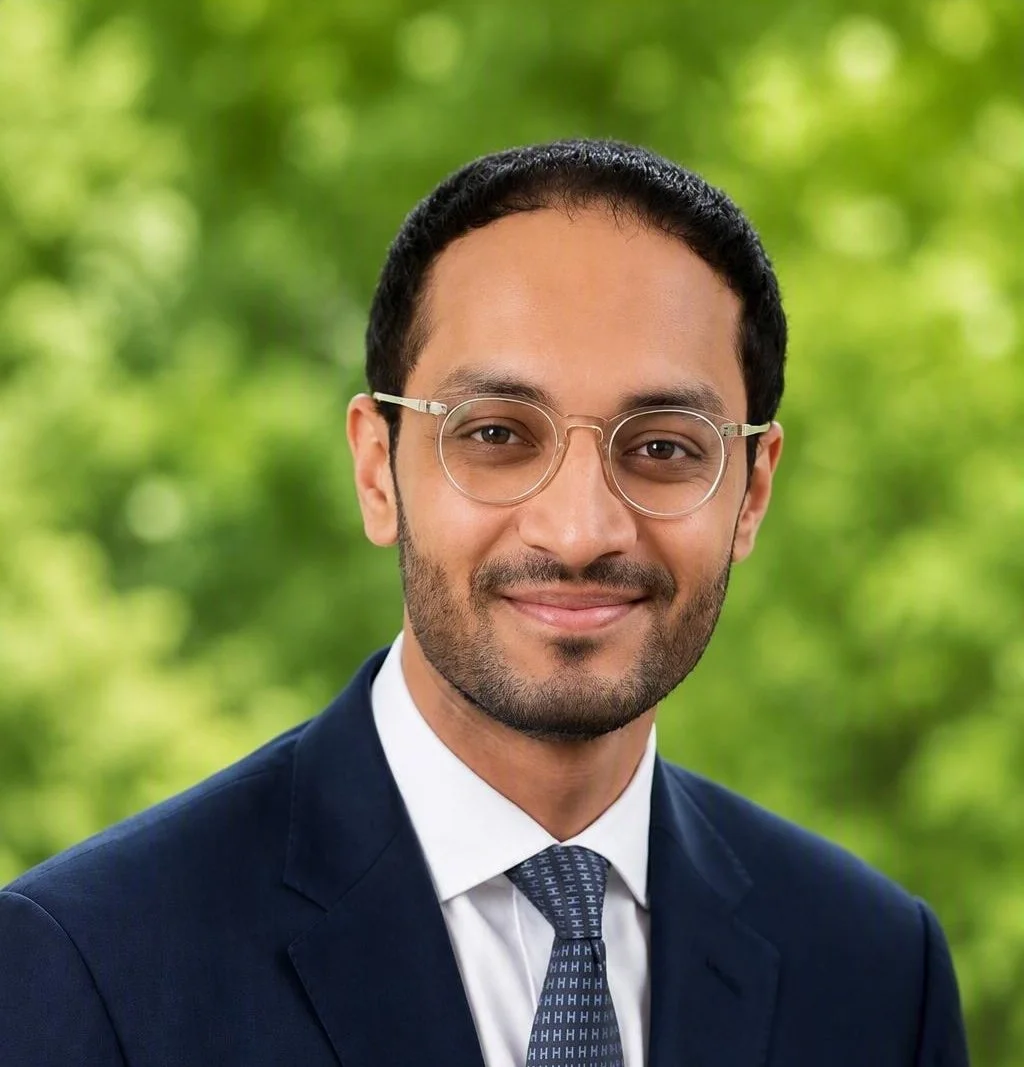
“I was proud to play a leading role in the campaign to abolish the two-child benefit cap and lift 500,000 children from poverty, because I believe that no child should see their life chances limited by circumstances beyond their control. The same principle lies at the heart of this campaign. Disabled children living in unsuitable temporary accommodation are being failed by systems that should be protecting them. Every child deserves a safe, stable and accessible home, and we have a responsibility to ensure that some of the most vulnerable children in our society are not left behind.”
Nabhan Malik
Co-founder of Safe Homes for Disabled Children
Co-founder of the Children’s Prosperity Plan